
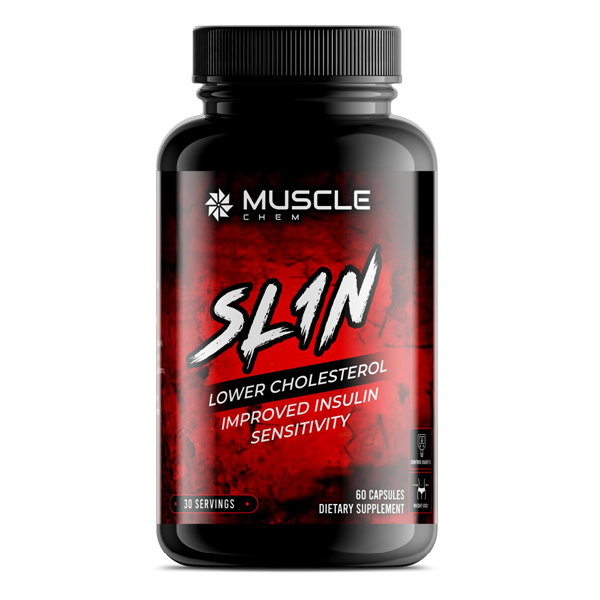
SL1N – Berberine Supplement
Berberine is a plant-derived alkaloid that modulates AMPK signaling and related metabolic pathways involved in cellular energy balance, glucose homeostasis, and lipid metabolism.
- UK next day delivery
- AMPK pathway research
- Glucose metabolism
- Lipid regulation
- Microbiome studies
- Inflammation research
Original price was: £39.99.£34.99Current price is: £34.99.
- Description
- Reviews (13)
Description
SL1N is a research formulation containing berberine, a naturally occurring isoquinoline alkaloid isolated from medicinal plant species, including Coptis chinensis, Phellodendron amurense, Berberis vulgaris, and related botanical sources-. Berberine has attracted considerable scientific interest due to its broad range of biological activities involving cellular energy metabolism, glucose homeostasis, lipid metabolism, inflammatory signaling, and host–microbiome interactions.
Berberine has been extensively investigated for its ability to influence the activity of AMP-activated protein kinase (AMPK), a central regulator of cellular energy balance. Activation of AMPK has been associated with downstream effects on glucose uptake, fatty acid oxidation, lipid synthesis, mitochondrial metabolism, and hepatic glucose production. In addition to AMPK-dependent mechanisms, experimental studies suggest that berberine may modulate multiple intracellular signaling pathways, although several of these mechanisms remain incompletely characterized.
Berberine has a long history of traditional use in herbal medicine, particularly within Traditional Chinese Medicine. Modern biomedical research has expanded interest in this compound across endocrinology, metabolism, cardiovascular biology, microbiome research, and inflammatory physiology.
Product Specifications
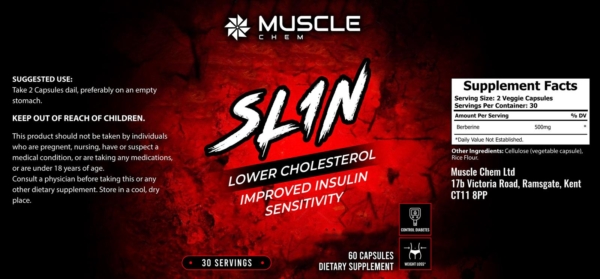
✅ Each bottle contains 60 capsules
✅ Each capsule provides 500 mg of berberine
✅ Formulated to support healthy cholesterol levels and improve insulin sensitivity
What Is It Used For and Its Purpose
Berberine is widely investigated as a research compound for understanding the molecular regulation of metabolic homeostasis. Experimental studies focus on its influence over glucose metabolism, lipid regulation, cellular energy sensing, inflammatory signaling, mitochondrial function, and interactions between the gastrointestinal microbiota and host metabolism.
Researchers utilize berberine to explore mechanisms underlying insulin signaling, hepatic glucose production, adipose tissue metabolism, cholesterol regulation, and chronic low-grade inflammation. These investigations contribute to broader understanding of metabolic physiology and the biological pathways involved in cardiometabolic disorders.
Scientific interest also extends to berberine’s effects on intestinal microbial ecology and epithelial barrier function. Emerging evidence suggests that alterations in gut microbiota may represent one mechanism through which berberine influences systemic metabolic responses, although these relationships remain under active investigation.
Research Applications
- Endocrinology
- Metabolism research
- Insulin signaling
- Lipid metabolism
- AMPK signaling
- Cardiovascular physiology
- Inflammation research
- Gut microbiota biology
- Mitochondrial function
- Adipose tissue biology
- Molecular pharmacology
Potential Scientific Benefits
A substantial body of preclinical research has demonstrated that berberine influences multiple pathways involved in metabolic regulation. In vitro investigations have shown activation of AMPK signaling, modulation of glucose transporter activity, and regulation of enzymes involved in lipid synthesis and fatty acid oxidation. These findings suggest that berberine may affect cellular energy utilization through several complementary mechanisms.
Studies have reported improvements in glucose tolerance, insulin responsiveness, lipid metabolism, hepatic fat accumulation, and inflammatory biomarker profiles following berberine administration. Experimental models have also demonstrated alterations in gut microbial composition and intestinal barrier integrity, supporting continued investigation into microbiome-mediated mechanisms.
Limited human clinical studies have evaluated berberine in the context of metabolic health, including glucose regulation, lipid metabolism, and insulin sensitivity. While several studies have reported favorable physiological effects, differences in study design, formulation, treatment duration, and participant characteristics limit direct comparison across investigations.
Mechanistically, berberine has been associated with reduced hepatic gluconeogenesis, enhanced peripheral glucose utilization, modulation of cholesterol metabolism, reduced inflammatory signaling, and improved mitochondrial energy regulation. Many of these observations have been demonstrated in experimental systems, whereas their relative importance in humans remains an active area of research.
Reported Biological Findings in Research
- Activation of AMPK signaling pathways
- Modulation of glucose metabolism
- Regulation of lipid synthesis and fatty acid oxidation
- Influence on cholesterol and triglyceride metabolism
- Enhancement of insulin signaling in experimental models
- Modulation of inflammatory cytokine production
- Effects on oxidative stress pathways
- Alteration of gut microbiota composition
- Investigation of mitochondrial energy metabolism
- Improvements in metabolic biomarkers in selected preclinical and limited clinical studies
Current scientific evidence remains limited, and further well-controlled clinical studies are required to establish long-term efficacy and safety in humans.
Research Data Sheet
The following summarizes the currently available research information for the SL1N berberine formulation.
- Compound / Peptide Name: Berberine (SL1N)
- Sequence: Not applicable
- Classification: Plant-derived isoquinoline alkaloid
- CAS Number: Not available
- Form: Capsules
- Appearance: Capsule formulation
- Solubility: Research-dependent
- Storage: Store in a cool, dry place
- Research Categories: Endocrinology, Metabolism, AMPK Signaling, Lipid Metabolism, Inflammation Research, Gut Microbiota Biology, Cardiovascular Physiology, Molecular Pharmacology
Safety Precautions
SL1N is supplied strictly as a research material and should be handled only by appropriately trained laboratory personnel. This formulation is not intended for therapeutic, diagnostic, veterinary, or clinical applications, and laboratory handling procedures should be followed throughout storage, preparation, and disposal.
- Research use only
- Not for human consumption
- Not intended to diagnose, treat, or prevent disease
- Wear appropriate personal protective equipment (gloves, laboratory coat, and eye protection)
- Follow aseptic handling procedures where applicable
- Store under recommended storage conditions
- Avoid repeated freeze–thaw cycles if material is reconstituted for laboratory studies
- Maintain appropriate labeling and laboratory documentation
- Dispose of waste in accordance with institutional and local regulations
- Human safety data remain limited
- Long-term biological effects have not been fully characterized
Conclusion
Berberine is among the most extensively studied naturally derived alkaloids in contemporary metabolic research. Its ability to influence multiple interconnected pathways involved in energy metabolism, glucose regulation, lipid homeostasis, inflammatory signaling, and microbiome biology has made it an important compound for experimental investigation across several biomedical disciplines.
Current research supports continued investigation into AMPK activation, insulin signaling, hepatic metabolism, mitochondrial function, cholesterol regulation, and gut microbiota interactions. These diverse mechanisms highlight the complexity of berberine’s biological activity and the need for further mechanistic studies.
SL1N provides a standardized berberine formulation intended exclusively for laboratory research involving metabolic physiology, molecular pharmacology, and related biomedical fields.

Alex W. –
Great for maintaining stable energy levels throughout the day. Feeling much healthier!
Brian T. –
This has really helped regulate my blood sugar levels. Definitely a game-changer!
Chris M. –
Noticed better digestion and improved metabolism since starting this supplement.
Daniel K. –
My energy is more consistent, and I feel less sluggish after meals.
Evan S. –
Excellent product! Helps with digestion and keeps my appetite in check.
Frank P. –
I’ve seen great improvements in my overall well-being and gut health.
Greg L. –
Helps with insulin sensitivity and makes me feel much more balanced daily.
Henry J. –
My metabolism seems to be running faster, and I feel lighter and more active.
Isaac N. –
A great natural alternative for blood sugar control! Feeling fantastic.
Jason V. –
Berberine is a must-have for overall health. This one works exceptionally well!
Kevin R. –
Noticed a positive change in my digestion and how my body processes food.
Liam D. –
My cravings have reduced, and I feel more energized throughout the day.
Nathan G. –
This supplement has helped with my weight management and energy levels.