Guides

Selank 11mg — Core Benefits and Functional Impact

Selank 11mg is a synthetic regulatory peptide composed of seven amino acids (Thr-Lys-Pro-Arg-Pro-Gly-Pro). It was originally developed in Russia as part of neuropsychopharmacology research focused on anxiety modulation and cognitive enhancement. Structurally derived from the naturally occurring immunomodulatory peptide tuftsin, Selank exhibits a unique dual profile: anxiolytic (anti-anxiety) effects combined with nootropic (cognitive-enhancing) properties. Unlike traditional anxiolytics such as benzodiazepines—which often cause sedation, tolerance, and dependency—Selank has demonstrated calming effects without significant impairment of cognitive...

5-Amino-1MQ (5mg) — A Comprehensive Review of Potential Side Effects

5-Amino-1MQ (5-Amino-1-Methylquinolinium) is an investigational small molecule recognized primarily as a nicotinamide N-methyltransferase (NNMT) inhibitor. NNMT plays a regulatory role in cellular metabolism, methylation pathways, and adipocyte function. Due to its potential influence on fat metabolism and energy regulation, 5-Amino-1MQ has gained attention in metabolic research and performance-oriented communities. However, it is important to emphasize that 5-Amino-1MQ is not approved by the FDA or other major regulatory authorities for therapeutic use, and comprehensive human...

Selank 11mg — Comprehensive Risk Parameters, Safety Evaluation, and Clinical Considerations

Selank is a synthetic heptapeptide derived from the immunomodulatory peptide tuftsin and developed for anxiolytic and nootropic applications. It has been investigated for its potential role in anxiety disorders, stress adaptation, cognitive enhancement, and immune modulation. Selank exerts regulatory effects on GABAergic transmission, monoamine balance, and neurotrophic signaling pathways. Despite encouraging findings from limited clinical and preclinical investigations, Selank remains unapproved by major regulatory authorities such as the U.S. Food and Drug Administration (FDA)...

AOD-9604 – 5mg: A Comprehensive Analysis of Safety Profile, Potential Adverse Reactions, and Tolerability Considerations

AOD-9604 (Anti-Obesity Drug-9604) is a synthetically manufactured peptide derivative, representing a 15-amino acid sequence (Tyr-His-Leu-Pro-Val-Pro-Glu-Pro-Ala-Ala-Gly-Ala-Leu-Ile) identical to the C-terminal fragment (amino acids 177–191) of the human growth hormone (hGH). Its development stemmed from the pursuit of dissociating the lipolytic and fat-oxidizing properties of hGH from its proliferative and insulin-like growth factor-1 (IGF-1) elevating effects. As a result, AOD-9604 is pharmacologically designed to selectively modulate pathways involved in adipocyte metabolism—specifically stimulating β-adrenergic receptor-mediated lipolysis...

The Hidden Risks of MOTS-c 40mg — A Critical Safety Analysis

MOTS-c has emerged as a prominent mitochondrial-derived peptide in the research community, celebrated in preclinical studies for its potential role in metabolic regulation. The availability of products like "MOTS-c 40mg" from online vendors targeting the biohacking and longevity markets has sparked significant interest. However, beneath the surface of its purported benefits lies a complex landscape of substantial and often under-discussed risks. This article provides a detailed, professional analysis of the critical hidden dangers...

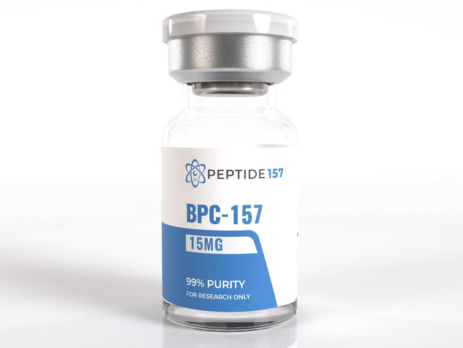
BPC-157 Overview — Known Risks and Ongoing Research Gaps

BPC-157 (Body Protection Compound-157) is a synthetic peptide derived from a protein fragment found in human gastric juice. It has gained attention in research and performance communities due to its potential regenerative and tissue-repair properties. While much discussion focuses on its possible benefits, it is equally important to examine its safety profile and potential side effects. Currently, BPC-157 is not approved by major regulatory bodies such as the U.S. Food and Drug Administration (FDA)...

Semax (11mg) — Potential Side Effects and Safety Considerations

Semax is a synthetic peptide derived from adrenocorticotropic hormone (ACTH 4–10) and is most commonly administered via the intranasal route. It has been studied primarily for its potential neuroprotective, nootropic, and anxiolytic properties. While Semax is generally regarded as well tolerated in clinical and observational settings, side effects may occur, particularly at higher doses, during prolonged use, or in sensitive individuals. The following outlines potential adverse effects associated with Semax use.

1- Nasal Irritation and...

Critical Safety Red Flags You Must Know About LGD-3033

LGD-3033 is a potent selective androgen receptor modulator (SARM) marketed for research use and studied for potential effects on lean muscle mass, strength, and bone health. Despite interest from scientists and fitness communities, LGD-3033 remains largely unapproved for clinical use and carries a number of safety concerns that demand careful scrutiny before handling or investigation. Below are 10+ critical safety red flags associated with LGD-3033 that every researcher, athlete, or health-conscious individual should...

In-Depth Article: 10+ Disadvantages of NAD+ 500mg

Nicotinamide adenine dinucleotide (NAD+) is a vital coenzyme involved in cellular metabolism, DNA repair, and energy production. While interest in NAD+ supplementation, including high doses such as 500mg vials, continues to grow in research and wellness communities, it’s important to critically evaluate the potential drawbacks and risks — especially at higher doses or outside controlled environments. Below are more than ten detailed disadvantages and safety considerations based on current scientific understanding and reports.

1) Poor...

The Unvarnished Truth About BPC-157: A Deep Dive Into Its Potential Side Effects and Risks

BPC-157 (Body Protecting Compound-157) has emerged as one of the most controversial and discussed Peptides in the biohacking and performance enhancement communities. Marketed as a "healing peptide" derived from human gastric juice, it has achieved near-mythical status for its purported ability to repair tendons, heal gut lining, and accelerate recovery from injuries. However, beneath the compelling anecdotal reports lies a complex pharmacological agent with a poorly characterized safety profile in humans. This comprehensive...