Peptides

Harmful Effects and Safety Risks of Glow-Blend-70 mg

Glow Blend 70mg is a peptide research blend composed of GHK-Cu (Copper Tripeptide-1), BPC-157, and TB-500, distributed as a lyophilized compound for research and laboratory use only. While these peptides are individually studied for regenerative, healing, and cellular signaling properties in experimental models, Glow-Blend-70 mg is not approved for human or veterinary use, nor is it classified as a medication, dietary supplement, or cosmetic product. Despite growing interest in peptide research compounds, Glow-Blend-70...


Melanotan-2 (MT2) 10mg — Side Effects You Should Know

Melanotan-2 (MT2) is a synthetic analog of alpha-melanocyte-stimulating hormone (α-MSH), a naturally occurring peptide involved in pigmentation, appetite regulation, sexual function, and immune response. Originally developed for research into photoprotection and pigmentation disorders, MT2 has since gained attention through unregulated markets, often promoted for tanning, libido enhancement, and appetite suppression. Despite its popularity in non-clinical settings, Melanotan-2 is not approved for human use by the FDA, EMA, MHRA, or any major regulatory authority. Products...

Unintended Effects and Warnings for GHK-Cu

GHK-Cu (Glycyl-L-histidyl-L-lysine copper) is a naturally occurring peptide complex used widely in research contexts, skincare formulations, and experimental therapies due to its regenerative and anti-aging properties. Although studies and decades of topical use show a generally favorable safety profile, there are several unintended effects, cautions, and warnings that researchers, clinicians, and potential users should be aware of before using products such as GHK-Cu.

1. Local Skin Irritation and Redness

One of the most commonly reported...

Optimizing the Future: The Definitive Guide to MOTS-c 40mg in 2026

As we move into 2026, the intersection of biotechnology and athletic performance has reached a new pinnacle. Leading this charge is MOTS-C, a mitochondrial-derived peptide that has transitioned from a niche research compound to a cornerstone of metabolic optimization. If you are considering integrating the MOTS-c 40mg protocol into your research or performance regimen this year, understanding the depth of this peptide’s capability is essential.

What is MOTS-c 40mg?

MOTS-C is a mitochondrial-derived peptide...

Ipamorelin 10 mg: Side Effects You Should Know

Ipamorelin is a synthetic peptide classified as a growth hormone secretagogue (GHS)—a compound that stimulates the release of growth hormone from the pituitary gland. Unlike some older secretagogues, ipamorelin is often marketed for its “selective” action, resulting in fewer hormonal disruptions compared with related peptides. However, despite its reputed tolerability, a range of side effects has been documented across clinical sources and user reports. Importantly, Ipamorelin is not FDA-approved for general human use and...

Detailed Benefits of Nicotinamide adenine dinucleotide (NAD+500mg)

Nicotinamide adenine dinucleotide (NAD+) is an essential coenzyme present in all living cells, playing a pivotal role in cellular metabolism, DNA repair, and the regulation of numerous critical biological pathways. As a cofactor for hundreds of enzymatic reactions, NAD+ is integral to maintaining cellular homeostasis and systemic vitality. Research shows that NAD+ levels decline naturally with age, contributing to diminished mitochondrial function, increased oxidative stress, reduced metabolic efficiency, and a range of age-associated disorders....

GHRP‑6 10 mg in 2026 – Benefits, Risks, and What You Should Know

The landscape of peptide research continues to evolve, with compounds like GHRP-6 (Growth Hormone-Releasing Peptide-6) attracting significant scientific interest. For researchers considering this field in 2026, a foundation built on rigorous science, clear ethical boundaries, and an uncompromising commitment to material quality is non-negotiable. This article provides a detailed, professional analysis of GHRP-6, its research applications, documented effects, and the critical standards required for reliable study.

1. Foundational Knowledge for 2026 Peptide Research

Entering peptide research...

Melanotan‑2 (MT2) in 2026 — Potential Benefits & Harmful Effects

The world of peptides continues to attract significant interest from research communities and informed individuals seeking to understand their mechanisms. As we look toward 2026, starting this journey demands a foundation of rigorous science, an understanding of legal boundaries, and an uncompromising commitment to safety. Melanotan 2 (MT2) stands as a prime example of a peptide that requires deep scrutiny. This article provides a professional, balanced analysis of MT‑2, detailing its potential effects, significant risks,...

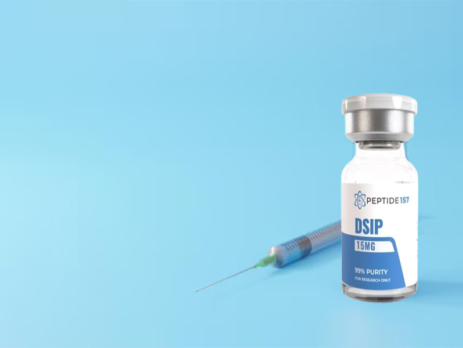
DSIP 15mg Benefits: In-Depth Guide to Delta Sleep-Inducing Peptide

Delta Sleep-Inducing Peptide (DSIP) is a naturally occurring nonapeptide widely studied for its influence on sleep regulation, stress responses, hormonal activity, recovery, and overall wellness. While still predominantly used in research settings rather than mainstream clinical practice, DSIP continues to attract attention for its potential ability to enhance deep restorative sleep and modulate physiological systems connected to recovery and stress.

What Is DSIP?

DSIP (Delta Sleep-Inducing Peptide) is a small neuropeptide originally identified due to...

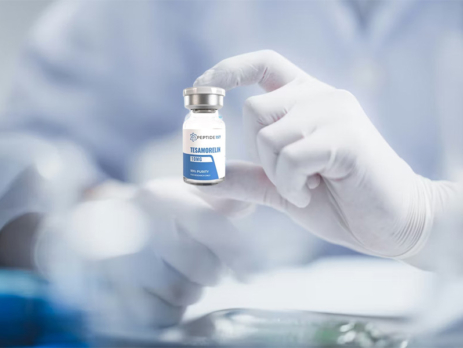
Tesamorelin Benefits: Science-Backed Advantages of This Peptide

Tesamorelin is a synthetic peptide consisting of all 44 amino acids of human GHRH with the addition of a trans-hexenoic acid group. This modification increases its stability and potency compared to natural growth hormone-releasing hormone. While originally developed and FDA-approved for the treatment of HIV-associated lipodystrophy, its unique mechanism of action has made it a subject of intense interest in the fields of metabolic health, longevity, and cognitive science. Below is a detailed analysis of...