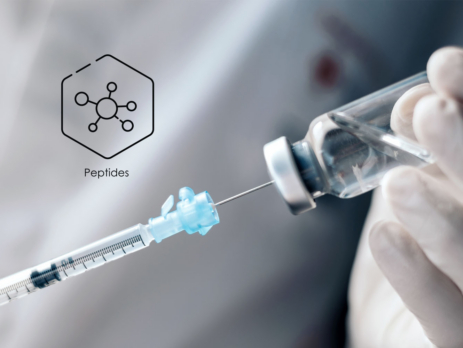
Peptides

BPC-157 Overview — Known Risks and Ongoing Research Gaps

BPC-157 (Body Protection Compound-157) is a synthetic peptide derived from a protein fragment found in human gastric juice. It has gained attention in research and performance communities due to its potential regenerative and tissue-repair properties. While much discussion focuses on its possible benefits, it is equally important to examine its safety profile and potential side effects. Currently, BPC-157 is not approved by major regulatory bodies such as the U.S. Food and Drug Administration (FDA)...

IGF-1 (1mg Vial) — Professional Research Overview

MuscleChem’s IGF-1 (1mg vial) is a high-quality lyophilized peptide designed for laboratory and research purposes. Insulin-like Growth Factor-1 (IGF-1) is a potent growth factor involved in cellular growth, muscle regeneration, and metabolic signaling pathways. Due to its biological activity, IGF-1 is widely studied in muscle physiology and regenerative research — but it is not approved for therapeutic use or general supplementation outside controlled, professional environments. 1) Thinking of Starting Your Peptides Journey in...

Semax (11mg) — Potential Side Effects and Safety Considerations

Semax is a synthetic peptide derived from adrenocorticotropic hormone (ACTH 4–10) and is most commonly administered via the intranasal route. It has been studied primarily for its potential neuroprotective, nootropic, and anxiolytic properties. While Semax is generally regarded as well tolerated in clinical and observational settings, side effects may occur, particularly at higher doses, during prolonged use, or in sensitive individuals. The following outlines potential adverse effects associated with Semax use. 1- Nasal Irritation and...

Beginning Your Peptide Journey in 2026: What to Know About GHRP-6 Before Use

GHRP-6 (Growth Hormone Releasing Hexapeptide-6) is a synthetic peptide belonging to the GH (Growth Hormone) secretagogue family. It was developed to mimic the body’s natural signals that stimulate the pituitary gland to release growth hormone (GH) into the bloodstream. At a molecular level, GHRP-6 is a short chain peptide that interacts with growth hormone secretagogue receptors (GHS-R1a) in the hypothalamus and pituitary — effectively prompting a pulse of growth hormone release similar to natural...

In-Depth Article: 10+ Disadvantages of NAD+ 500mg

Nicotinamide adenine dinucleotide (NAD+) is a vital coenzyme involved in cellular metabolism, DNA repair, and energy production. While interest in NAD+ supplementation, including high doses such as 500mg vials, continues to grow in research and wellness communities, it’s important to critically evaluate the potential drawbacks and risks — especially at higher doses or outside controlled environments. Below are more than ten detailed disadvantages and safety considerations based on current scientific understanding and reports. 1) Poor...

The Unvarnished Truth About BPC-157: A Deep Dive Into Its Potential Side Effects and Risks

BPC-157 (Body Protecting Compound-157) has emerged as one of the most controversial and discussed Peptides in the biohacking and performance enhancement communities. Marketed as a "healing peptide" derived from human gastric juice, it has achieved near-mythical status for its purported ability to repair tendons, heal gut lining, and accelerate recovery from injuries. However, beneath the compelling anecdotal reports lies a complex pharmacological agent with a poorly characterized safety profile in humans. This comprehensive...

Harmful Effects and Safety Risks of Glow-Blend-70 mg

Glow Blend 70mg is a peptide research blend composed of GHK-Cu (Copper Tripeptide-1), BPC-157, and TB-500, distributed as a lyophilized compound for research and laboratory use only. While these peptides are individually studied for regenerative, healing, and cellular signaling properties in experimental models, Glow-Blend-70 mg is not approved for human or veterinary use, nor is it classified as a medication, dietary supplement, or cosmetic product. Despite growing interest in peptide research compounds, Glow-Blend-70...

Melanotan-2 (MT2) 10mg — Side Effects You Should Know

Melanotan-2 (MT2) is a synthetic analog of alpha-melanocyte-stimulating hormone (α-MSH), a naturally occurring peptide involved in pigmentation, appetite regulation, sexual function, and immune response. Originally developed for research into photoprotection and pigmentation disorders, MT2 has since gained attention through unregulated markets, often promoted for tanning, libido enhancement, and appetite suppression. Despite its popularity in non-clinical settings, Melanotan-2 is not approved for human use by the FDA, EMA, MHRA, or any major regulatory authority. Products...

Unintended Effects and Warnings for GHK-Cu

GHK-Cu (Glycyl-L-histidyl-L-lysine copper) is a naturally occurring peptide complex used widely in research contexts, skincare formulations, and experimental therapies due to its regenerative and anti-aging properties. Although studies and decades of topical use show a generally favorable safety profile, there are several unintended effects, cautions, and warnings that researchers, clinicians, and potential users should be aware of before using products such as GHK-Cu. 1. Local Skin Irritation and Redness One of the most commonly reported...

Optimizing the Future: The Definitive Guide to MOTS-c 40mg in 2026

As we move into 2026, the intersection of biotechnology and athletic performance has reached a new pinnacle. Leading this charge is MOTS-C, a mitochondrial-derived peptide that has transitioned from a niche research compound to a cornerstone of metabolic optimization. If you are considering integrating the MOTS-c 40mg protocol into your research or performance regimen this year, understanding the depth of this peptide’s capability is essential. What is MOTS-c 40mg? MOTS-C is a mitochondrial-derived peptide...