IGF-1 : A 2026 Research Review of the Anabolic and Regenerative Peptide
Insulin-like Growth Factor 1 (IGF-1) is a naturally occurring peptide hormone and a primary mediator of the anabolic effects of Growth Hormone (GH). Its synthetic analog, IGF-1, is a stabilized, research-grade form designed for extended activity in laboratory settings. This article provides a professional, evidence-based overview of IGF-1 (1mg) for the research community, outlining its potential applications, critical considerations for 2026, and inherent risks.
Thinking of Starting Your IGF-1 Research in 2026: Foundational Knowledge
As peptide research continues to evolve in 2026, it is essential to approach IGF-1 with a clear understanding of its role, responsibilities, and limitations.
Understanding Peptides
Peptides are short chains of amino acids that function as biological messengers. IGF-1 specifically influences growth, differentiation, and repair at the cellular level, making it a powerful subject of scientific interest.
Research-Only Classification
IGF-1 peptides are intended strictly for research purposes and are not approved for therapeutic or recreational use. Proper laboratory protocols, handling procedures, and ethical considerations must always be followed.
Potency Requires Precision
IGF-1 is a highly active peptide. Even small quantities can produce measurable biological effects, which makes sourcing, purity, and accurate measurement critical in research settings.
Quality Matters
Peptide degradation, contamination, or inaccurate labeling can compromise experimental outcomes. Choosing a trusted supplier is essential to maintain consistency and reliability across studies.
Long-Term Data Considerations
While IGF-1 is naturally produced in the body, externally introduced IGF-1 peptides lack extensive long-term human clinical data. Research should remain controlled, documented, and conservative in scope.
Potential Benefits of IGF-1
IGF-1 is widely studied due to its broad biological influence across multiple systems:
✔ Muscle Growth & Hypertrophy Research
IGF-1 enhances protein synthesis and supports muscle cell growth, making it valuable in studies focused on hypertrophy and muscle adaptation.
✔ Accelerated Tissue Repair
IGF-1 plays a role in tissue regeneration and cellular repair pathways, supporting investigations into recovery, healing, and regenerative processes.
✔ Satellite Cell Activation
Research indicates IGF-1 stimulates satellite cell activity, which is critical for muscle repair and long-term muscle development.
✔ Enhanced Recovery Mechanisms
By promoting anabolic signaling, IGF-1 supports studies examining recovery rates following physical or cellular stress.
✔ Cellular Growth & Differentiation
IGF-1 influences cell survival, differentiation, and growth, making it relevant in broader research contexts beyond muscle, including aging and regenerative biology.
Harmful Effects of IGF-1
Although IGF-1 is naturally present in human physiology, research involving exogenous IGF-1 peptides has identified several potential risks and adverse effects that must be considered:
⚠️ Hypoglycemia Risk
Due to its insulin-like structure, IGF-1 may influence glucose metabolism, potentially leading to low blood glucose levels in experimental settings.
⚠️ Cell Proliferation Concerns
IGF-1 promotes cell growth and division. Excessive or uncontrolled exposure may raise concerns regarding abnormal cell proliferation, particularly in long-term or high-dose research models.
⚠️ Injection-Site Reactions
Local irritation, redness, or discomfort may occur at administration sites in injectable research protocols.
⚠️ Hormonal Feedback Disruption
Introducing IGF-1 externally may interfere with natural growth hormone and IGF-1 regulatory pathways, potentially altering endogenous hormone balance.
⚠️ Unknown Long-Term Effects
Comprehensive long-term human safety data remains limited, reinforcing the importance of cautious, short-term, and well-controlled research designs.
MuscleChem’s IGF-1 Offering: A Research-Grade Solution
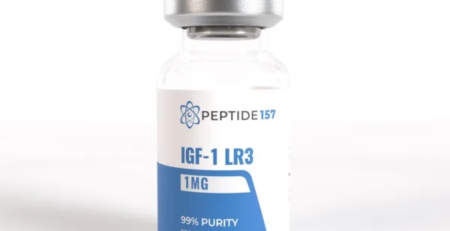
MuscleChem provides a complete, professional-grade research kit for IGF-1 LR3, aligning with the needs of controlled laboratory inquiry:
Product Specifications:
Contains a 1mg vial of high-purity, lyophilized IGF-1 powder. This format is the industry standard for precise, flexible dosing in a research context.
Complete Research Kit:
The product includes essential ancillary materials: bacteriostatic water for sterile reconstitution, sterile syringes for precise measurement, and alcohol swabs for maintaining aseptic technique. This eliminates guesswork and supports procedural integrity.
Supplier Reputation:
MuscleChem is established as a supplier for the research community, emphasizing that its products are “high-quality research materials only.” Their clear positioning supports a framework of responsible scientific investigation rather than unverified personal use.
Conclusion: A Powerful Tool Demanding Respect
IGF-1 is among the most powerful and direct anabolic growth factors available for research. Its potential to elucidate pathways of muscle hypertrophy, tissue regeneration, and metabolic regulation is significant. However, its power is matched by a substantial and potentially severe risk profile, with hypoglycemia and the theoretical risk of promoting tumor growth being paramount concerns.
For the research community in 2026, the imperative is extreme caution, rigorous protocol design, and absolute adherence to safety principles. Research should only be conducted by qualified professionals in appropriate settings, with a full understanding of the legal and ethical landscape. Sourcing from reputable, transparent suppliers like MuscleChem, who provide pharmaceutical-grade materials and clear research-use guidelines, is a fundamental component of responsible science.
Order your IGF-1 | 1mg vial today from Musclechem – your most trusted partner in PEPTIDES and SARMS .
Disclaimer: This product is strictly intended for research purposes only. Always consult a healthcare or medical research professional before use.