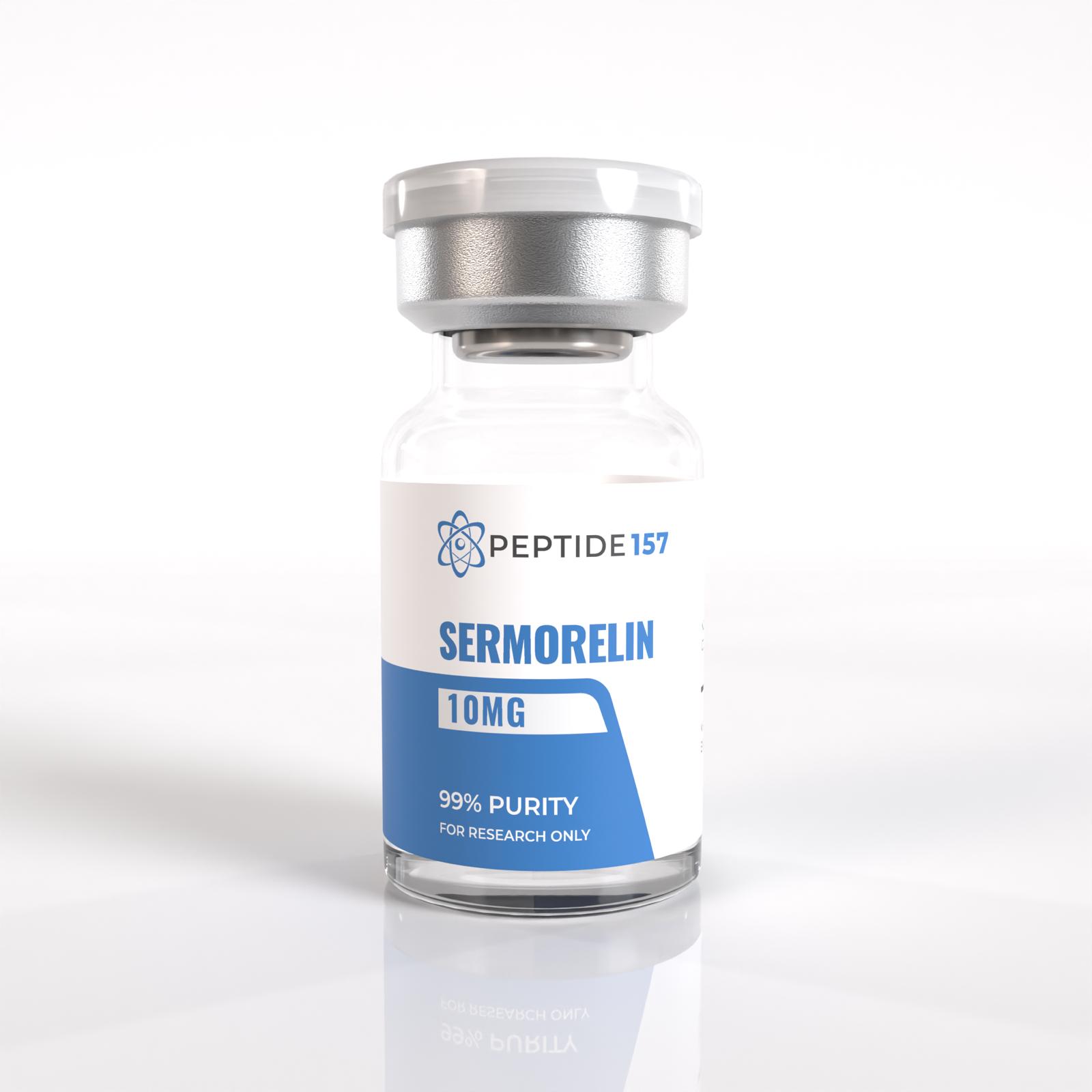
Sermorelin 10mg — Clinical Safety Overview and Detailed Analysis of Potential Adverse Effects
Sermorelin is a synthetic analogue of growth hormone–releasing hormone (GHRH 1-29) designed to stimulate the anterior pituitary gland to release endogenous growth hormone (GH). Through activation of the GH–IGF-1 axis, sermorelin promotes physiologic growth hormone secretion rather than supplying exogenous GH directly.
While Sermorelin 10mg is generally considered well tolerated when prescribed and monitored by qualified healthcare professionals, its pharmacologic activity can produce a range of side effects. These may be localized, systemic, metabolic, or endocrine in nature. A clear understanding of potential adverse reactions is essential for safe and responsible use.
Side Effects of Sermorelin
Below is a clinically structured overview of more than ten recognized or reported side effects associated with sermorelin therapy.
1) Injection-Site Reactions
The most frequently reported adverse events include:
- Redness
- Swelling
- Localized pain or tenderness
- Itching
These reactions are typically mild and self-limiting, often resolving within hours to a few days.
2) Flushing and Warm Sensation
Transient facial flushing or a feeling of warmth may occur shortly after administration. This is usually brief and related to temporary vasodilation.
3) Headache
Mild to moderate headaches may develop, particularly during early treatment phases. Persistent or severe headaches warrant medical evaluation.
4) Dizziness or Lightheadedness
Some individuals report transient dizziness following injection. Symptoms typically resolve without intervention.
5) Nausea
Gastrointestinal discomfort, including mild nausea, has been documented in certain patients.
6) Fatigue or Lethargy
Temporary fatigue or altered energy levels may occur as the endocrine system adjusts to increased GH stimulation.
7) Sleep Disturbances
Because growth hormone release is closely tied to circadian rhythms, some users may experience:
- Restlessness
- Insomnia
- Vivid dreams
These effects are generally temporary.
8) Peripheral Edema (Fluid Retention)
Stimulation of growth hormone can lead to mild fluid retention, resulting in:
- Swelling of hands or feet
- Facial puffiness
- Sensation of tightness in extremities
Monitoring is recommended if symptoms persist.
9) Paresthesia
Tingling, numbness, or “pins and needles” sensations in the extremities may occur. This is thought to be related to fluid shifts or GH-mediated tissue changes.
10) Joint or Muscle Discomfort
Some individuals experience:
- Joint stiffness
- Mild arthralgia
- Muscle aches
These effects are typically dose-dependent and reversible.
11) Altered Glucose Tolerance
Growth hormone influences carbohydrate metabolism. Sermorelin may:
- Reduce insulin sensitivity
- Elevate fasting blood glucose in susceptible individuals
Patients with diabetes or prediabetes require close monitoring.
12) Mood Changes or Irritability
Although uncommon, hormonal modulation may contribute to:
- Mood fluctuations
- Increased irritability
- Mild anxiety
Persistent psychological changes should be evaluated clinically.
13) Allergic or Hypersensitivity Reactions (Rare)
Severe allergic responses are rare but may include:
- Rash or hives
- Swelling of the lips, tongue, or throat
- Breathing difficulty
Immediate medical attention is required if these symptoms occur.
14) Elevated IGF-1 Levels
Excessive stimulation may result in supraphysiologic IGF-1 levels, potentially increasing the risk of unwanted systemic effects if not properly monitored.
Risk Factors and Contraindications
Sermorelin 10mg should be used cautiously or avoided in individuals with:
- Active malignancy
- Untreated hypothyroidism
- Severe systemic illness
- Known hypersensitivity to sermorelin
- Pregnancy or breastfeeding (insufficient safety data)
Pre-existing endocrine, cardiovascular, or metabolic disorders require careful evaluation before therapy initiation.
Clinical Monitoring Recommendations
To ensure safety, healthcare providers typically recommend:
- Baseline and periodic IGF-1 measurement
- Thyroid function testing
- Blood glucose monitoring
- Evaluation for edema or neurologic symptoms
- Regular review of concurrent medications
Appropriate dosing and individualized treatment planning significantly reduce adverse event risk.
Conclusion
Sermorelin 10mg has a generally favorable safety profile when administered under qualified medical supervision. Most side effects are mild, transient, and manageable. However, because the medication influences the endocrine system and metabolic pathways, responsible prescribing, structured monitoring, and informed patient awareness are essential.
Individuals considering sermorelin therapy should consult a licensed healthcare professional to determine suitability, discuss potential risks, and establish a safe treatment plan.
Order your Sermorelin 10mg vial today from Musclechem – your most trusted partner in PEPTIDES and SARMS.
Disclaimer: This product is strictly intended for research purposes only. Always consult a healthcare or medical research professional before use.