Tesamorelin Benefits: Science-Backed Advantages of This Peptide
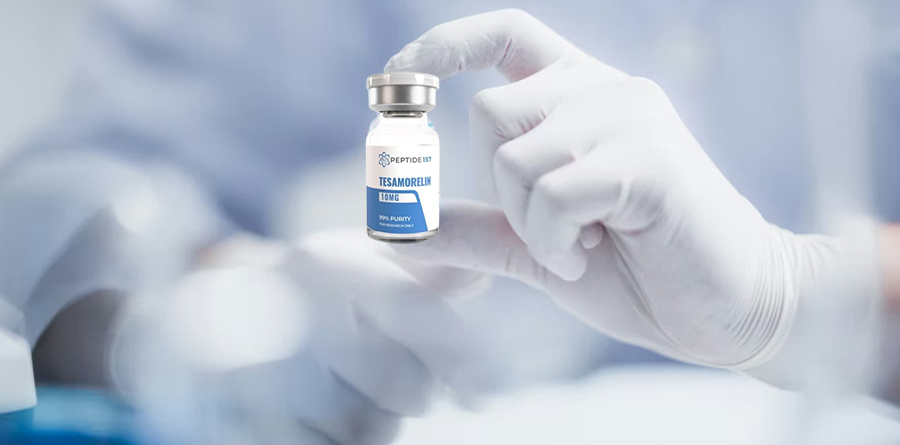
Tesamorelin is a synthetic peptide consisting of all 44 amino acids of human GHRH with the addition of a trans-hexenoic acid group. This modification increases its stability and potency compared to natural growth hormone-releasing hormone. While originally developed and FDA-approved for the treatment of HIV-associated lipodystrophy, its unique mechanism of action has made it a subject of intense interest in the fields of metabolic health, longevity, and cognitive science.
Below is a detailed analysis of the professional and clinical benefits associated with Tesamorelin.
1. Targeted Reduction of Visceral Adipose Tissue (VAT)
The most prominent benefit of Tesamorelin is its ability to specifically target Visceral Adipose Tissue (VAT). Unlike subcutaneous fat (the fat found directly under the skin), visceral fat wraps around internal organs and is highly metabolic, releasing inflammatory cytokines.
Mechanism:
By stimulating the pituitary gland to release endogenous Growth Hormone (GH), Tesamorelin triggers lipolysis.
Clinical Results:
Studies have shown that Tesamorelin can reduce visceral fat by approximately 15–20%. This is critical because high VAT levels are directly linked to insulin resistance, cardiovascular disease, and systemic inflammation.
2. Optimization of Metabolic Profiles
Beyond simple fat loss, Tesamorelin contributes to a healthier metabolic state. Patients suffering from lipodystrophy or metabolic syndrome often struggle with “belly fat” that is resistant to diet and exercise.
Lipid Management:
Tesamorelin has been shown to improve cholesterol profiles by reducing triglyceride levels and improving the ratio of “good” vs. “bad” cholesterol.
Non-Interference with Glucose:
Unlike exogenous Growth Hormone therapy, which can sometimes impair insulin sensitivity, Tesamorelin stimulates the body’s own natural, pulsatile release of GH, which generally maintains a more stable glucose metabolism.
3. Cognitive Function and Neuroprotection
Emerging research suggests that the GHRH-GH-IGF-1 axis plays a vital role in brain health. Tesamorelin is currently being investigated for its potential to treat mild cognitive impairment (MCI).
GABA Levels:
Research indicates that Tesamorelin can increase levels of gamma-aminobutyric acid (GABA) in the brain.
Memory and Focus:
Clinical trials have observed improvements in executive function and memory in older adults, suggesting that Tesamorelin may provide neuroprotective benefits and combat age-related cognitive decline.
4. Preservation of Lean Muscle Mass
While Tesamorelin is not primarily a “bulking” peptide, its ability to elevate Insulin-like Growth Factor 1 (IGF-1) levels creates an anabolic environment.
Muscle Maintenance:
By increasing IGF-1, Tesamorelin helps in the repair and maintenance of muscle tissue. This is particularly beneficial for individuals experiencing muscle wasting or those looking to preserve lean mass while aggressively reducing body fat.
Recovery:
Enhanced GH levels promote faster recovery from physical exertion and minor soft tissue injuries.
5. Improved Cardiovascular Health
Chronic inflammation caused by visceral fat is a major driver of arterial stiffness and heart disease. By reducing VAT and lowering inflammatory markers like C-reactive protein (CRP), Tesamorelin may indirectly support long-term cardiovascular health. Some studies have noted improvements in carotid intima-media thickness (CIMT), a marker for atherosclerosis.
6. Dermatological Benefits: Skin Elasticity and Collagen
The “anti-aging” reputation of GHRH analogues is largely rooted in their effect on the skin’s extracellular matrix.
Collagen Synthesis:
Increased GH levels promote the production of collagen and elastin.
Clinical Appearance:
This often results in improved skin thickness, reduced fine lines, and better hydration levels, providing a more youthful, resilient appearance to the dermis.
7. Immune System Modulation
The thymus gland, which produces T-cells, is highly sensitive to Growth Hormone. As GH levels rise via Tesamorelin therapy, there is evidence suggesting a “rejuvenation” of thymic function.
Enhanced T-Cell Production:
This can lead to a more robust immune response, better wound healing, and improved resistance to common pathogens.
8. Administration and Safety
Tesamorelin is typically administered via a small subcutaneous injection. Because it stimulates the natural production of growth hormone rather than replacing it, the risk of “shutting down” the body’s natural hormone production is significantly lower compared to synthetic HGH.
Key Considerations are:
Pulsatile Release:
It preserves the body’s natural rhythm of GH secretion.
Monitoring:
Professional supervision is recommended to monitor IGF-1 levels and ensure optimal dosing.
9. Conclusion
Tesamorelin stands out in the world of peptide therapy for its precision. While many compounds offer generalized weight loss, Tesamorelin offers a targeted clinical solution for visceral adiposity, metabolic dysfunction, and cognitive support. For those seeking to improve body composition and neurological health through the GHRH pathway, Tesamorelin remains a premier choice backed by significant clinical data.