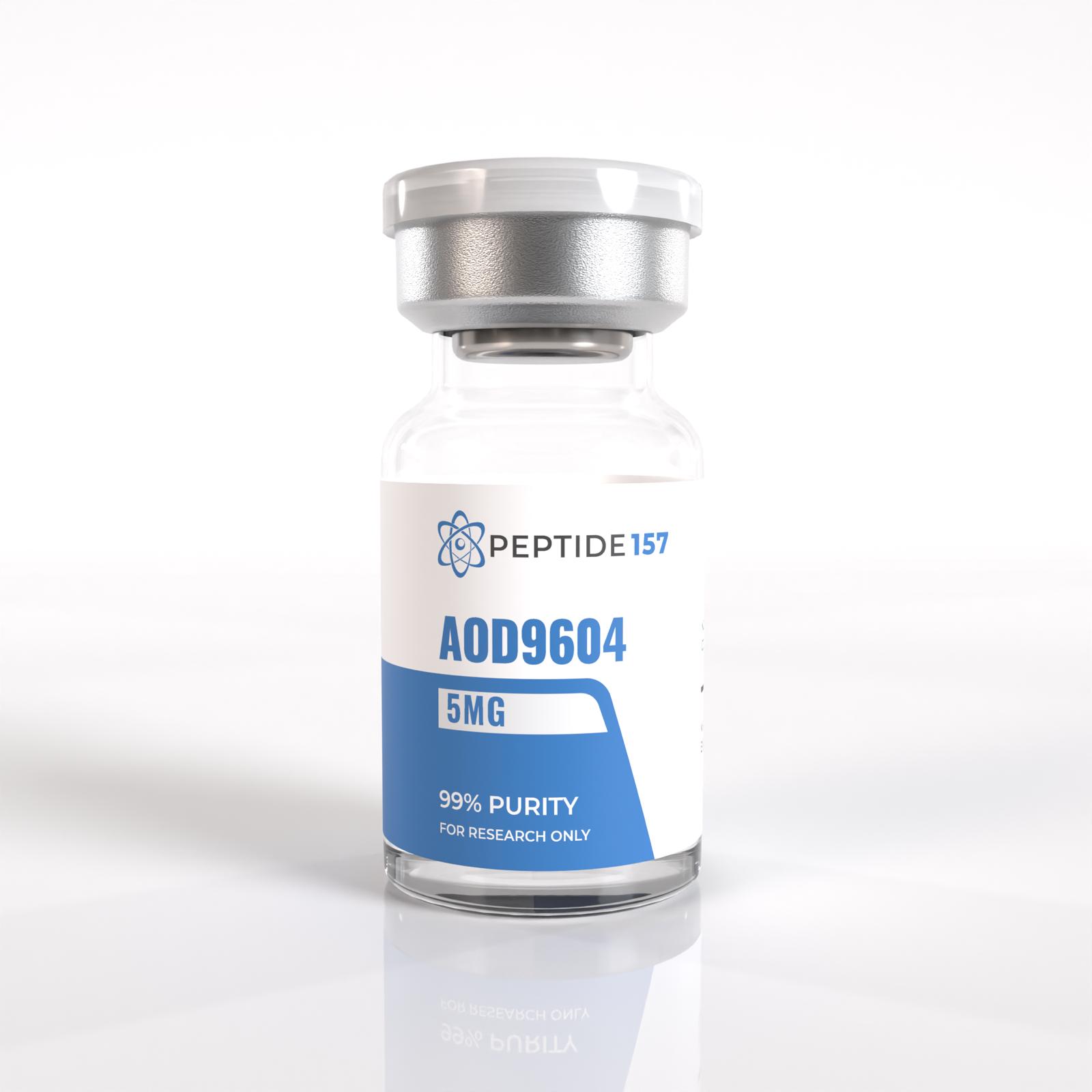
The Hidden Risks of MOTS-c 40mg — A Critical Safety Analysis
MOTS-c has emerged as a prominent mitochondrial-derived peptide in the research community, celebrated in preclinical studies for its potential role in metabolic regulation. The availability of products like “MOTS-c 40mg” from online vendors targeting the biohacking and longevity markets has sparked significant interest. However, beneath the surface of its purported benefits lies a complex landscape of substantial and often under-discussed risks. This article provides a detailed, professional analysis of the critical hidden dangers associated with the procurement and potential use of research-grade MOTS-c 40mg, moving beyond marketing claims to focus on safety and scientific integrity.
1. Unverified Purity and Contamination
The most immediate and severe risk stems from the complete lack of regulatory oversight. Products sold as “for research purposes only” are not manufactured in FDA-approved facilities. Independent lab tests of similar peptides have repeatedly shown discrepancies in labeled versus actual peptide content, along with contamination by harmful solvents, heavy metals, or microbial agents. Injecting a contaminated substance poses direct risks of infection, toxic reaction, and unpredictable biological effects.
2. Absence of Sterility Assurance
Unlike pharmaceutical-grade substances, these research chemicals are not required to be produced as sterile. They are not filled in sterile vials using aseptic techniques. The risk of introducing pyrogens (fever-causing agents) or pathogens directly into the bloodstream via subcutaneous or intramuscular injection is extraordinarily high, potentially leading to localized abscesses, systemic infections, or sepsis.
3. Unknown Long-Term Pharmacokinetics and Dynamics
Human pharmacokinetics (how the body processes the peptide) and pharmacodynamics (its full biological effects) for MOTS-c are not fully established. The 40mg dosage is arbitrary, not derived from rigorous human clinical trials. The long-term effects of chronically modulating this fundamental mitochondrial signaling pathway are completely unknown and could theoretically disrupt natural metabolic homeostasis.
4. Lack of Established Human Safety Profile
While early studies are promising, the comprehensive safety profile in humans has not been determined. Potential adverse effects on organ systems (e.g., renal, hepatic, cardiovascular) have not been systematically monitored in a controlled, long-term clinical setting. Unforeseen autoimmune reactions or antibody formation against the endogenous peptide are also plausible risks.
5. Potential for Immune System Reactions
Introducing a synthetic version of a naturally occurring peptide can trigger an immune response. The body may recognize the exogenous MOTS-c as a foreign antigen, leading to antibody production. This could not only neutralize the peptide’s effect but potentially lead to an autoimmune reaction where the immune system attacks the body’s own naturally produced MOTS-c or structurally similar proteins.
6. Off-Target Effects and Receptor Cross-Talk
MOTS-c is involved in complex cellular communication networks. Supraphysiological doses (like 40mg) may over-activate its primary pathways or inadvertently activate unrelated receptors (off-target effects). This cross-talk could disrupt other critical hormonal or metabolic systems, leading to unintended consequences such as hormonal imbalances or disrupted glucose homeostasis.
7. Risk of Cancer Promotion or Interference
Mitochondrial function is intimately linked to cell cycle regulation and apoptosis (programmed cell death). Artificially modulating a key mitochondrial peptide without understanding its role in cellular proliferation carries a theoretical risk. It could potentially interfere with normal tumor suppression mechanisms or promote growth in pre-existing, undiagnosed neoplasms.
8. Interaction with Underlying Medical Conditions
Individuals with undiagnosed diabetes, thyroid disorders, cardiovascular issues, or mitochondrial diseases may experience an exacerbation of their condition. MOTS-c’s metabolic effects could dangerously interact with these pathologies or with medications used to treat them, such as insulin or metformin, leading to hypoglycemia or other acute crises.
9. Ethical and Quality Concerns in Sourcing
The synthesis of a complex peptide like MOTS-c is technically challenging and expensive. To offer it at low prices, vendors may cut corners, resulting in peptides with incorrect amino acid sequences (sequence errors), reversed chirality (D- instead of L-amino acids), or improper folding. An incorrectly folded peptide is biologically inactive at best and immunogenic at worst.
10. Legal and Regulatory Peril
Purchasing and possessing peptides for human use from non-pharmaceutical sources violates regulations in most countries. This can lead to legal repercussions, including seizure of products and fines. Furthermore, using such products disqualifies individuals from participating in future legitimate clinical trials and voids any medical insurance coverage for complications arising from their use.
11. Misinformation and Dosage Ambiguity
Vendors provide no medically validated dosage protocols. Anecdotal “guides” from online forums advocate untested cycling regimens, injection frequencies, and dosages. The 40mg vial size encourages high-dose experimentation without any safety data to support such use, dramatically increasing the risk of acute adverse events.
12. Lack of Medical Supervision and Crisis Management
Using MOTS-c in an unsupervised setting means there is no healthcare professional to monitor vital signs, blood markers, or early signs of adverse reactions. In the event of a severe reaction—anaphylaxis, severe hypoglycemia, or infection—the individual is alone in managing the crisis, delaying critical, life-saving medical intervention.
13. Financial Exploitation and Fraud
The research peptide market is rife with fraud. Consumers risk significant financial loss for a product that may contain little to no active MOTS-c, or a completely different substance altogether. The “analysis certificates” provided are often fabricated and not from accredited, independent laboratories.
Conclusion: A Prudent Path Forward
The hidden risks associated with “MOTS-c 40mg” are substantial, numerous, and far outweigh the currently unproven benefits for human application. The combination of unknown long-term effects, severe purity and sterility concerns, and the complete absence of medical oversight creates a perfect storm for potential harm.
Legitimate research continues in controlled clinical settings. For those interested in the potential of MOTS-c, the only safe and ethical pathway is to await the results of this rigorous research and, eventually, FDA-approved pharmaceutical products. Prioritizing safety over speculation is paramount when intervening in the body’s core mitochondrial biology. The current marketplace for MOTS-c represents a high-risk frontier, not a validated therapeutic avenue.
For researchers, begin your laboratory studies with MOTS-c 40mg from MuscleChem, a trusted source for Peptides and SARMs research.
Disclaimer: For research purposes only. Consult a qualified medical or research professional before use.