IGF-1 | 1mg — Detailed Benefits Overview
1. Bone Mineral Density & Skeletal Integrity Enhancement
IGF-1 is a cornerstone of the bone remodeling unit, critical for maintaining skeletal strength.
Mechanism:
It directly stimulates the proliferation and activity of osteoblasts (bone-forming cells) while inhibiting osteoclastogenesis (bone resorption). It upregulates the synthesis of type I collagen, the primary organic component of bone matrix, and enhances the deposition of hydroxyapatite crystals.
Specific Outcome:
Promotes increased bone mineral density (BMD), improved bone microarchitecture, and greater fracture resistance. This is particularly relevant for countering age-related osteopenia and supporting skeletal health under heavy mechanical loading.
2. Gastrointestinal Mucosal Health & Nutrient Absorption
The gut is the largest reservoir of IGF-1 outside the liver, where it acts in a paracrine manner.
Mechanism:
IGF-1 receptors are densely expressed on intestinal epithelial cells (enterocytes). It stimulates crypt cell proliferation, accelerates villi growth and repair, and enhances the expression of tight junction proteins (e.g., occludin, zonula occludens-1), which govern intestinal permeability (“leaky gut”).
Specific Outcome:
Supports robust gut lining integrity, faster healing of mucosal damage (e.g., from NSAIDs or stress), and maximized surface area for nutrient absorption. This creates a positive feedback loop, improving the bioavailability of nutrients that further support anabolism.
3. Cutaneous Rejuvenation & Wound Healing Acceleration
The skin is a major target organ for IGF-1, influencing its thickness, elasticity, and repair capacity.
Mechanism:
It promotes the proliferation of keratinocytes and dermal fibroblasts, increasing the production of collagen, elastin, and hyaluronic acid in the dermis. It also enhances angiogenesis (formation of new blood vessels) at wound sites, delivering oxygen and nutrients.
Specific Outcome:
Leads to improved skin thickness, reduced appearance of fine lines, enhanced hydration, and dramatically faster closure of cutaneous wounds, surgical incisions, or burns. It combats the thinning and fragility of aged skin.
4. Immune System Modulation & Hematopoietic Support
IGF-1 plays a nuanced role in immune function and blood cell production.
Mechanism:
It influences both innate and adaptive immunity. It can enhance neutrophil and macrophage function while also promoting lymphocyte proliferation and survival. In the bone marrow, it acts as a co-factor with other cytokines to support hematopoiesis—the production of red blood cells (erythropoiesis) and white blood cells.
Specific Outcome:
Supports a more robust immune response to pathogens, aids in recovery from immunosuppressive states (e.g., post-chemotherapy, overtraining syndrome), and can improve markers of anemia by supporting red blood cell production.
5. Neurogenesis & Protection Against Excitotoxicity
In the central nervous system, IGF-1 is a potent neurotrophic and neuroprotective factor.
Mechanism:
It crosses the blood-brain barrier and promotes adult neurogenesis in the hippocampus, a brain region critical for learning and memory. It upregulates brain-derived neurotrophic factor (BDNF) expression. Furthermore, it enhances neuronal glucose uptake and metabolism, providing an energy buffer against excitotoxic stress (excessive glutamate signaling).
Specific Outcome:
Supports cognitive function, memory consolidation, and neuronal resilience. It may offer protective benefits against neurodegenerative stress and aid in recovery from traumatic brain injury or stroke.
6. Cardiac Muscle Hypertrophy & Function (Physiological Context)
In a controlled, research-based context, IGF-1 can influence cardiac health.
Mechanism:
It induces physiological (eccentric) cardiac hypertrophy—an increase in heart muscle size and chamber volume without fibrosis—improving stroke volume and cardiac output. It also enhances coronary artery endothelial function and has anti-apoptotic effects on cardiomyocytes.
Important Distinction:
Unlike pathological hypertrophy from hypertension, IGF-1 mediated hypertrophy in a healthy model is associated with improved exercise capacity and cardiac efficiency. This must be carefully monitored, as effects are dose and context-dependent.
7. Hepatic (Liver) Health and Regeneration
The liver is the primary source of endocrine IGF-1, but it also responds to it locally.
Mechanism:
IGF-1 exerts anti-fibrotic effects on hepatic stellate cells, inhibiting their activation into collagen-producing myofibroblasts. It also promotes hepatocyte (liver cell) proliferation and survival, aiding in liver regeneration after partial hepatectomy or chemical insult.
Specific Outcome:
Supports liver tissue repair, may help mitigate the progression of certain fibrotic conditions, and contributes to overall metabolic clearance and detoxification capacity.
8. The Critical Importance of Context and Precision with 1mg IGF-1
The breadth of these benefits underscores IGF-1’s role as a fundamental growth and repair signal. However, the 1mg dose amplifies these systemic effects, making precision and context non-negotiable. Its potent mitogenic activity necessitates rigorous health screening and monitoring (e.g., for glucose tolerance, organ enlargement, and potential interactions with pre-existing conditions). The balance between its regenerative and proliferative effects is delicate and must be managed within a strict research or clinical framework.
9. Conclusion: A Systemic Regenerative Signal with Profound Potential
IGF-1 (1mg) is not merely a muscle-building agent; it is a comprehensive regenerative hormone that influences bone density, gut integrity, skin health, immune competence, neurological function, and organ resilience. For the advanced researcher, understanding these multifaceted benefits provides a holistic view of its potential to influence not just physique, but overall physiological robustness and health span, when applied with exacting scientific rigor.
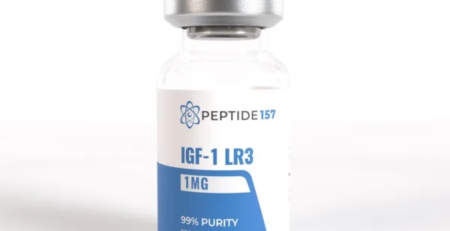
Order your IGF-1 | 1mg vial today from Musclechem – your most trusted partner in PEPTIDES and SARMS.
Disclaimer: This product is strictly intended for research purposes only. Always consult a healthcare or medical research professional before use.