
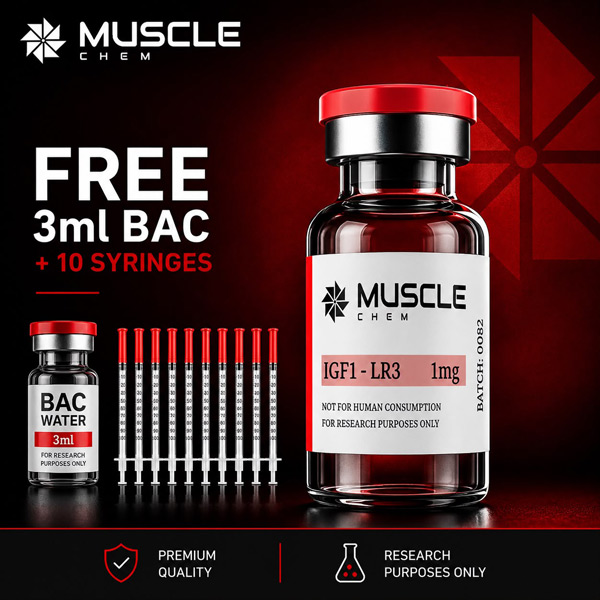
IGF-1 LR3 | 1mg (Insulin-like Growth Factor-1)
IGF-1 LR3 is a synthetic insulin-like growth factor-1 (IGF-1) analogue that activates the IGF-1 receptor to study cellular growth, metabolism, and tissue regeneration. It is used in research to investigate anabolic signaling, muscle biology, and regenerative processes.
- Next-day UK delivery
- Muscle growth
- Tissue repair
- Cell growth
- Metabolic research
- IGF-1 signaling
Original price was: £69.99.£59.99Current price is: £59.99.
- Description
- Reviews (12)
Description
IGF-1 1mg Vial – High-Purity Lyophilised Peptide for Muscle Growth, Recovery, and Regeneration
IGF-1 LR3 (Long Arginine 3-Insulin-like Growth Factor-1) is a an analogue of insulin-like growth factor-1 (IGF-1), engineered to extend biological activity and alter its pharmacokinetic profile. Compared with endogenous IGF-1, IGF-1 LR3 contains a substitution of arginine at position 3 and an additional 13-amino acid extension at the N-terminus, resulting in an 83-amino acid peptide. These structural modifications reduce its affinity for endogenous insulin-like growth factor-binding proteins (IGFBPs), thereby increasing the proportion of biologically available peptide in experimental systems.
The primary mechanism of action of IGF-1 LR3 involves binding to the insulin-like growth factor-1 receptor (IGF-1R), a receptor tyrosine kinase that regulates numerous cellular processes associated with growth, proliferation, differentiation, and survival. Upon receptor activation, intracellular signaling cascades including the phosphoinositide 3-kinase (PI3K)/AKT pathway and the mitogen-activated protein kinase (MAPK/ERK) pathway are activated, influencing cellular metabolism, protein synthesis, cell-cycle progression, and tissue remodeling.
Because IGF-1 signaling is fundamental to normal physiology, IGF-1 LR3 has become an important research tool in molecular biology, endocrinology, regenerative medicine, and metabolism research. Experimental studies have examined its influence on skeletal muscle biology, neuronal survival, connective tissue remodeling, glucose metabolism, and cardiovascular physiology.
Product Contents
- 1mg IGF-1 LR3 (Lyophilised powder)
- Bacteriostatic Water
- 10 Sterile syringes
What Is It Used For and Its Purpose
IGF-1 LR3 is primarily utilized as a research peptide for investigating IGF-1 receptor biology and the downstream signaling pathways that regulate cellular growth, metabolism, and tissue development. Because of its prolonged biological activity and reduced binding to IGF-binding proteins, it serves as a valuable experimental tool for examining sustained IGF-1 receptor activation in laboratory models.
Researchers employ IGF-1 LR3 to study mechanisms involved in skeletal muscle remodeling, glucose metabolism, neurobiology, connective tissue repair, and cardiovascular physiology. It is also used to investigate cellular responses involving proliferation, differentiation, apoptosis resistance, and anabolic signaling through the PI3K/AKT and MAPK pathways.
Its modified pharmacological profile allows investigators to better understand the physiological consequences of prolonged IGF-1 receptor stimulation compared with native IGF-1, contributing to translational research in endocrinology and regenerative biology.
Research Applications
- Endocrinology
- Metabolism
- Skeletal muscle biology
- Regenerative medicine
- Neurobiology
- Receptor signaling
- Cell proliferation research
- Tissue repair biology
- Cardiovascular physiology
- Aging research
Potential Scientific Benefits
IGF-1 LR3 has been extensively investigated in experimental models because of its ability to activate IGF-1 receptor-mediated signaling. In consistently demonstrate activation of intracellular pathways regulating protein synthesis, glucose uptake, mitochondrial activity, and cell survival. These mechanisms contribute to its widespread use in studies of cellular growth and metabolic regulation.
Research suggests that sustained IGF-1 receptor activation may influence skeletal muscle regeneration through stimulation of satellite cell proliferation, increased protein synthesis, and reduced expression of pathways associated with muscle protein degradation. Similar findings have been reported in models examining connective tissue remodeling and wound healing, where IGF-1 signaling may support extracellular matrix formation and angiogenesis.
Laboratory evidence indicates that IGF-1 receptor activation may promote neuronal survival, neurite outgrowth, and neurogenesis while influencing cellular mechanisms involved in recovery following peripheral nerve injury. These observations remain largely preclinical and require further validation in human studies.
Additional research has examined metabolic effects including glucose transport, insulin signaling, lipid metabolism, and cellular energy utilization. Because IGF-1 signaling intersects with multiple anabolic and metabolic pathways, researchers continue to investigate its broader physiological functions. However, prolonged activation of proliferative signaling pathways also raises theoretical safety considerations, particularly regarding uncontrolled cell proliferation in susceptible tissues.
- Observed biological activities in research:
- Activation of IGF-1 receptor signaling
- Increased cellular protein synthesis
- Enhanced glucose uptake in experimental models
- Promotion of cell proliferation and differentiation
- Support of tissue remodeling and regeneration pathways
- Molecular mechanisms reported:
- IGF-1 receptor activation
- PI3K/AKT pathway stimulation
- MAPK/ERK signaling activation
- Regulation of mTOR-associated anabolic signaling
- Modulation of gene expression involved in cell-cycle progression
- Physiological pathways involved:
- IGF-1 signaling axis
- Cellular metabolism
- Skeletal muscle regeneration
- Connective tissue remodeling
- Neurotrophic signaling
- Cardiovascular cellular physiology
- Experimental outcomes in models:
- Increased muscle satellite cell activity
- Enhanced tissue repair responses
- Improved neuronal survival in laboratory models
- Altered glucose utilization and metabolic signaling
- Increased anabolic cellular responses
Current evidence remains limited, and further well-controlled clinical studies are required to establish long-term efficacy and safety in humans.
Research Data Sheet
- Peptide name: IGF-1 LR3 (Long Arginine 3-IGF-1)
- Classification: Synthetic IGF-1 analogue
- Molecular Formula: C400H625N111O115S9
- Molecular Weight: 9,118 Da
- CAS Number: 946870-92-4
- PubChem CID: Not available
- Form: Lyophilized powder
- Appearance: White to off-white lyophilized powder
- Purity: Not available
- Solubility: Reconstituted in sterile water
- Storage: 2–8°C before reconstitution; -20°C for long-term storage
- Research Categories: Endocrinology, metabolism, regenerative medicine, skeletal muscle biology, neurobiology, receptor signaling, tissue repair
Safety Precautions
IGF-1 LR3 is supplied exclusively for scientific and laboratory research. It should be handled only by trained personnel using appropriate laboratory procedures and in accordance with institutional safety guidelines. This peptide is not approved for diagnostic, therapeutic, or human consumption.
- Research use only
- Not for human consumption
- Not intended to diagnose, treat, or prevent disease
- Wear appropriate PPE (gloves, laboratory coat, and eye protection)
- Maintain aseptic handling procedures during preparation
- Store under recommended temperature conditions
- Avoid repeated freeze–thaw cycles
- Ensure proper labeling and laboratory documentation
- Dispose of materials according to institutional and regulatory laboratory waste procedures
- Limited human safety data
- Potential unknown long-term effects
Conclusion
IGF-1 LR3 is a well-characterized synthetic analogue of insulin-like growth factor-1 that serves as an important research tool for investigating IGF-1 receptor signaling and its influence on cellular growth, metabolism, and tissue remodeling. Its structural modifications provide prolonged biological activity and reduced interaction with IGF-binding proteins, making it particularly useful for experimental studies requiring sustained receptor activation.
Research has demonstrated significant biological activity across multiple experimental systems, including skeletal muscle biology, connective tissue regeneration, neurobiology, metabolic regulation, and cardiovascular physiology. These findings have substantially improved scientific understanding of IGF-1-mediated intracellular signaling, although the majority of evidence is derived from in vitro and animal research.
IGF-1 LR3 continues to represent a valuable experimental compound in translational biomedical research, particularly for studies focused on anabolic signaling, receptor pharmacology, regenerative biology, and endocrine physiology.
12 reviews for IGF-1 LR3 | 1mg (Insulin-like Growth Factor-1)
Add a review
You must be logged in to post a review.
Stacks Well With...
-
Peptides
BPC-157 + TB-500
Price range: £59.99 through £99.99Select options This product has multiple variants. The options may be chosen on the product page -
-
Peptides
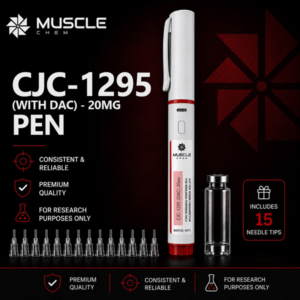
CJC-1295 (No DAC)
Price range: £39.99 through £79.99Select options This product has multiple variants. The options may be chosen on the product page -
-
Peptides
CJC-1295 (with DAC)
Price range: £44.99 through £89.99Select options This product has multiple variants. The options may be chosen on the product page -
Peptides
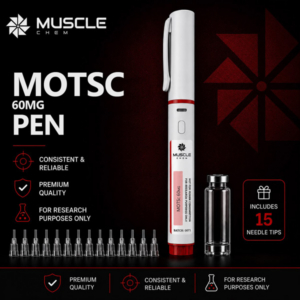
MOTS C
Price range: £59.99 through £99.99Select options This product has multiple variants. The options may be chosen on the product page -
Peptides
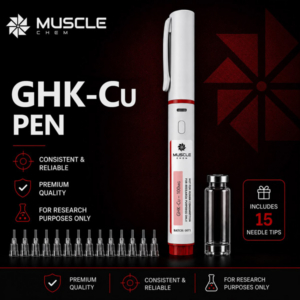
GHK-Cu
Price range: £39.99 through £74.99Select options This product has multiple variants. The options may be chosen on the product page -
Peptides
Klow
Price range: £74.99 through £149.99Select options This product has multiple variants. The options may be chosen on the product page


Alex M. –
Noticed improved muscle fullness and better recovery between workouts. Very high quality.
Brandon K. –
Strength gains are coming in steadily. Muscles feel denser and more responsive.
Chris T. –
Recovery time has improved a lot. I’m able to train harder and more frequently.
Daniel R. –
Great product for muscle development. Pumps and overall performance are noticeably better.
Ethan S. –
Feeling stronger with improved muscle definition. Results showed up quicker than expected.
Frank W. –
Excellent quality IGF-1. Helped with recovery and muscle growth support.
Greg L. –
My workouts feel more productive, and muscle soreness doesn’t linger as long.
Henry B. –
Solid results so far. Muscle hardness and training intensity have both improved.
Isaac P. –
Very effective for recovery and lean gains. Definitely meets expectations.
Jason N. –
Noticed better muscle pumps and overall training performance within weeks.
Kyle D. –
Great support for growth and recovery. Quality and consistency are top-notch.
Liam C. –
Helped improve muscle density and post-workout recovery significantly.