
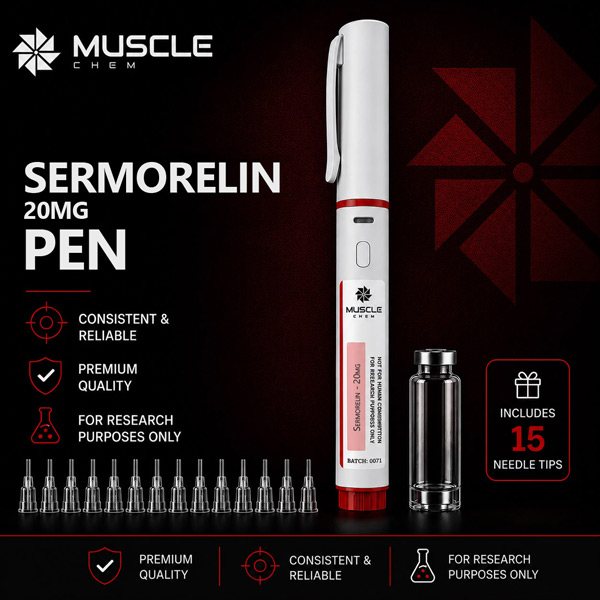
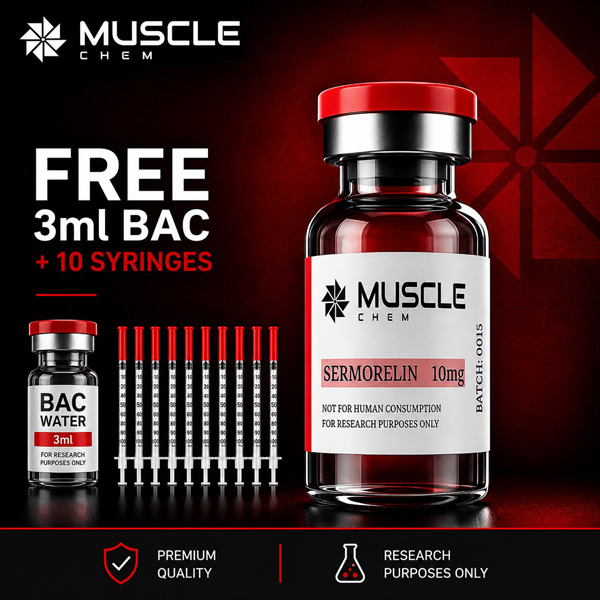
Sermorelin
Sermorelin is a synthetic analog of the 1–29 amino acid fragment of growth hormone-releasing hormone (GHRH). It acts as a GHRH receptor agonist used in research to stimulate endogenous, pulsatile growth hormone release via the hypothalamic–pituitary axis, supporting studies of endocrine regulation and GH dynamics.
- Next-day UK delivery
- Stimulates endogenous growth hormone secretion
- Hypothalamic–pituitary axis signaling
- Endocrine aging and GH regulation
- Metabolic and IGF-1 pathway investigations
Stabilized Formula
No Ice Packs Required
Transit-Safe
Price range: £44.99 through £109.99
| Quantity | Discount |
|---|---|
| Buy 3 | 10% |
| Buy 4 | 12% |
| Buy 5+ | 15% |
- Description
- Reviews (12)
Description
Sermorelin is a synthetic peptide corresponding to the biologically active N-terminal 1–29 amino acid fragment of endogenous human growth hormone-releasing hormone (GHRH). It functions as a GHRH receptor agonist and is used in biomedical research and, historically, in clinical settings to evaluate and stimulate endogenous growth hormone (GH) secretion from the anterior pituitary.
As a truncated analog of full-length GHRH, Sermorelin retains the receptor-binding and activating domain required to initiate physiological GH release. Its mechanism is based on mimicking hypothalamic signaling to the pituitary gland, resulting in pulsatile secretion of growth hormone that reflects natural endocrine physiology.
Product Specifications
- Peptide: Sermorelin
- Classification: Growth hormone-releasing hormone (GHRH) analog
- Form: Lyophilized peptide powder
- Strength: Research grade
- Purity: Typically ≥95% (analytical grade dependent)
- Storage: −20 °C, protected from light and moisture
What Is It Used For and Its Purpose
Sermorelin is primarily used in research focused on the regulation of the hypothalamic–pituitary–growth hormone axis. It is employed to study pituitary responsiveness to GHRH stimulation and to assess endogenous growth hormone secretory capacity.
Unlike recombinant growth hormone, Sermorelin does not provide exogenous GH. Instead, it stimulates the body’s own secretion pathways, making it useful for studying physiological hormone pulsatility, feedback regulation, and endocrine signaling dynamics. In experimental and physiological research, Sermorelin is also used to explore age-related changes in growth hormone secretion and the role of hypothalamic signaling in metabolic regulation.
Common Research Applications
- Growth hormone secretion dynamics and pituitary function testing
- Hypothalamic–pituitary axis regulation studies
- Endocrine aging and age-related GH decline research
- GHRH receptor pharmacology and signal transduction
- Metabolic physiology and energy balance research
- Sleep-related neuroendocrine rhythm studies
- Bone metabolism and remodeling research
- Body composition and lipid metabolism investigations (preclinical and limited clinical contexts)
Potential Scientific Benefits
Published scientific literature indicates that GHRH analogs such as Sermorelin can stimulate endogenous growth hormone release through activation of pituitary GHRH receptors. This leads to a physiological, pulsatile pattern of GH secretion, which is important for downstream endocrine signaling, including insulin-like growth factor 1 (IGF-1) regulation.
Evidence supporting these effects comes primarily from physiological studies and early clinical research, with additional mechanistic support from in vitro and animal models. Results vary depending on study design, population, and endocrine status.
Biological activities investigated in scientific studies include:
- Activation of pituitary GHRH receptors leading to GH secretion
- Modulation of GH pulsatility and endocrine feedback regulation
- Upregulation of downstream IGF-1 signaling pathways
- Investigation of metabolic processes including lipid utilization and energy balance
- Evaluation of changes in lean body mass and body composition in limited clinical studies
- Research into sleep-associated GH secretion patterns and circadian regulation
- Assessment of bone turnover markers in GH-deficient or aging populations
Some studies suggest potential associations with metabolic and recovery-related parameters; however, findings are not consistent across all populations and remain dependent on study design and duration.
Current evidence remains limited, and additional well-controlled clinical studies are required to establish long-term efficacy, mechanisms of action, and safety in diverse human populations.
Research Data Sheet
Sermorelin is a synthetic peptide analog used as a research tool to investigate growth hormone-releasing hormone activity and pituitary endocrine function. It is structurally based on the active N-terminal region of endogenous GHRH responsible for receptor binding and activation.
- Peptide: Sermorelin
- Sequence: GHRH (1–29) amide (Tyr-Ala-Asp-Ala-Ile-Phe-Thr-Asn-Ser-Tyr-Arg-Lys-Val-Leu-Gly-Gln-Leu-Ser-Ala-Arg-Lys-Leu-Leu-Gln-Asp-Ile-Met-Ser-Arg-NH₂)
- Classification: Growth hormone-releasing hormone (GHRH) receptor agonist analog
- Molecular Formula: C₁₄₉H₂₄₆N₄₄O₄₂S
- Molecular Weight: ~3357.9 g/mol
- CAS Number: 86168-78-7
- PubChem CID: 16132413
- ChemSpider ID: 17289071
- ChEMBL ID: CHEMBL1201490
- Form: Lyophilized peptide powder
- Appearance: White to off-white solid
- Strength: Research grade (non-standardized clinical formulation)
- Purity: Typically ≥95% (analytical specification dependent)
- Solubility: Soluble in sterile or buffered aqueous solutions for laboratory use
- Storage: −20 °C; protect from light and moisture; avoid repeated freeze–thaw cycles
- Research Categories: Endocrinology; neuroendocrinology; metabolic physiology; aging research; peptide receptor pharmacology; growth hormone axis studies
Safety Precautions
Sermorelin is intended strictly for laboratory research purposes and should only be handled by qualified personnel in controlled laboratory environments. It is not approved for unsupervised human consumption in many jurisdictions. Standard laboratory safety practices should be followed when handling peptide-based research compounds to ensure safe and consistent experimental conditions.
- Research use only; not for human consumption
- Not intended to diagnose, treat, cure, or prevent any disease
- Use appropriate personal protective equipment (gloves, lab coat, eye protection)
- Handle using aseptic laboratory techniques to prevent contamination
- Store at −20 °C and protect from light exposure
- Avoid repeated freeze–thaw cycles to maintain peptide stability
- Properly label all prepared solutions and aliquots
- Dispose of waste according to institutional chemical and biohazard protocols
- Limited comprehensive safety data outside controlled clinical research settings
Conclusion
Sermorelin is a synthetic growth hormone-releasing hormone analog widely utilized in endocrine and neuroendocrine research. Its primary scientific relevance lies in its ability to stimulate endogenous growth hormone secretion through direct activation of pituitary GHRH receptors, producing a physiological pattern of hormonal release.
Research involving Sermorelin has contributed to the understanding of growth hormone pulsatility, hypothalamic–pituitary regulation, and downstream metabolic signaling pathways such as IGF-1 modulation. These studies include physiological investigations, early clinical research, and preclinical experimental models, though outcomes vary depending on population and study design.
While Sermorelin has historical clinical relevance, it is currently regarded primarily as a research tool rather than an established therapeutic agent. Further large-scale, controlled clinical studies are needed to fully clarify its long-term physiological effects and potential clinical applications.
Stacks Well With...
-
Peptides
CJC-1295 (No DAC)
Price range: £39.99 through £79.99This product has multiple variants. The options may be chosen on the product page -
-
Peptides
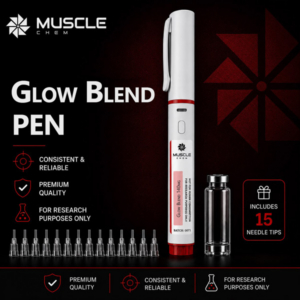
Glow Blend
Price range: £64.99 through £139.99This product has multiple variants. The options may be chosen on the product page -
Peptides
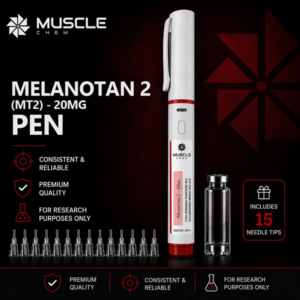
Melanotan 2 (MT2)
Price range: £34.99 through £79.99This product has multiple variants. The options may be chosen on the product page -
-
Peptides
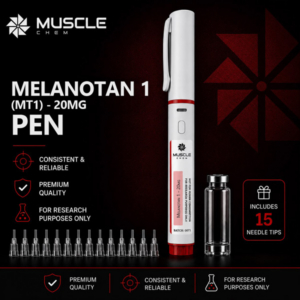
Melanotan 1 – (MT1)
Price range: £34.99 through £79.99This product has multiple variants. The options may be chosen on the product page

Ashton V. –
Sermorelin improved my sleep quality and overall recovery after workouts.
Blake R. –
Noticed faster recovery and better energy levels throughout the day.
Caleb T. –
Helps support lean muscle and overall training performance. Very effective.
Dylan M. –
Sleep is deeper, and I wake up feeling more refreshed and alert.
Elias P. –
Great peptide for muscle recovery and overall wellness. Workouts feel easier.
Finn J. –
My energy and endurance have improved noticeably during training.
Grant K. –
Supports lean muscle maintenance and helps reduce fatigue.
Hudson V. –
Recovery between sessions is faster, and overall stamina has increased.
Ian C. –
Sermorelin helps with sleep, recovery, and overall performance. Very satisfied.
Jace D. –
Noticed improved muscle fullness and reduced soreness after intense workouts.
Kieran T. –
Excellent support for lean gains and daily energy. Results are consistent.
Leo B. –
Helps with recovery, sleep quality, and overall strength. Feeling healthier overall.