Top Peptides That Improve Liver Health
The liver plays a central role in maintaining overall health and performance. From detoxifying harmful substances to regulating metabolism, hormone balance, and nutrient storage, it is one of the most metabolically active organs in the body. For athletes, bodybuilders, and individuals focused on peak physical performance, maintaining optimal liver function is not optional—it is essential. With the growing use of performance-enhancing compounds, environmental toxins, processed diets, and metabolic stress, liver health can become compromised over time. This has led to increased interest in Peptide-based therapies, which are gaining recognition for their regenerative and protective capabilities. Peptides are short chains of amino acids that act as signaling molecules in the body. Certain peptides have demonstrated the ability to reduce inflammation, promote tissue repair, and enhance cellular regeneration, making them highly relevant for liver support.
This article explores the most effective peptides for improving liver health, focusing on their mechanisms, benefits, and potential applications.
Understanding Liver Damage and Regeneration
Before exploring specific Peptides, it is important to understand how liver damage occurs.
Common causes include:
- Toxic overload (alcohol, medications, environmental toxins)
- Fat accumulation (non-alcoholic fatty liver disease)
- Chronic inflammation
- Oxidative stress
- Hormonal and metabolic imbalances
The liver has a unique ability to regenerate itself. However, repeated damage can overwhelm this capacity, leading to fibrosis (scar tissue formation) and eventually impaired liver function. Peptides can support liver health by targeting key biological pathways such as:
- Reducing oxidative stress
- Modulating inflammatory responses
- Enhancing cellular repair and regeneration
- Improving blood flow and nutrient delivery
1) BPC-157 — The Gold Standard for Liver Protection
BPC-157 (Body Protection Compound-157) is one of the most extensively studied peptides for tissue repair and organ protection. Derived from a protein found in gastric juice, it has demonstrated powerful regenerative effects across multiple organ systems, including the liver.
Key Benefits for Liver Health
- Protects liver cells from toxin-induced damage
- Reduces inflammation and oxidative stress
- Accelerates regeneration of hepatocytes (liver cells)
- Improves vascular integrity and blood flow
- Supports recovery from chemical and metabolic stress
BPC-157 has been shown in experimental models to significantly reduce liver damage caused by toxins and stressors. It also appears to normalize elevated liver enzymes, which are markers of liver injury.
Mechanism of Action
BPC-157 works through multiple biological pathways:
- Nitric oxide modulation – Enhances blood flow and reduces vascular damage
- Growth factor activation – Stimulates healing and tissue regeneration
- Cytoprotective effects – Protects cells from oxidative damage
Why It Stands Out
Among all peptides, BPC-157 is considered the most versatile and reliable for liver support due to its broad-spectrum protective and regenerative properties.
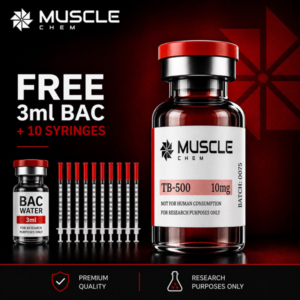
2) TB-500 — Advanced Tissue Repair and Anti-Fibrotic Support
TB-500 is a synthetic version of Thymosin Beta-4, a naturally occurring peptide involved in cell migration, wound healing, and inflammation control. While it is commonly associated with muscle and injury recovery, TB-500 also plays a significant role in organ repair, including the liver.
Key Benefits for Liver Health
- Reduces inflammation in liver tissue
- Promotes cell migration and regeneration
- Helps prevent or reduce fibrosis (scar tissue formation)
- Enhances angiogenesis (formation of new blood vessels)
- Supports overall tissue remodeling
Anti-Fibrotic Potential
Fibrosis is a major contributor to chronic liver disease. TB-500 may help slow or even reverse this process by:
- Inhibiting excessive collagen deposition
- Supporting healthy tissue remodeling
- Reducing chronic inflammatory signaling
Systemic Healing Advantage
Unlike some Peptides that act locally, TB-500 works systemically, meaning it can support healing throughout the body—including internal organs like the liver.
3) GHK-Cu — Cellular Regeneration and Antioxidant Defense
GHK-Cu is a naturally occurring peptide found in human plasma, saliva, and urine. It is widely recognized for its role in skin regeneration, but its benefits extend far beyond cosmetic applications.
Key Benefits for Liver Health
- Activates genes involved in tissue repair
- Provides strong antioxidant protection
- Reduces inflammation and cellular stress
- Supports collagen balance and extracellular matrix repair
- Promotes detoxification processes
Gene Regulation and Healing
One of the most unique aspects of GHK-Cu is its ability to modulate gene expression. Research suggests it can:
- Turn on genes responsible for repair and regeneration
- Turn off genes associated with inflammation and tissue damage
This makes it particularly valuable in supporting long-term liver health and recovery.
Antioxidant Power
Oxidative stress is a major driver of liver damage. GHK-Cu helps neutralize free radicals and protects hepatocytes from damage caused by:
- Toxins
- Poor diet
- Metabolic stress
- Environmental exposure
How These Peptides Work Together
While each peptide has unique properties, their combined effects can provide comprehensive liver support:
- BPC-157 → Protection and rapid regeneration
- TB-500 → Tissue remodeling and anti-fibrotic action
- GHK-Cu → Cellular repair and antioxidant defense
Together, they address the key pillars of liver health:
- Protection from damage
- Reduction of inflammation
- Prevention of fibrosis
- Enhancement of regeneration
Practical Applications for Athletes and Performance Users
For individuals involved in bodybuilding, fitness, or performance enhancement, liver health is especially important due to:
- Increased metabolic demand
- Use of supplements or compounds processed by the liver
- High-protein diets and nutrient load
Peptides may help:
- Support recovery after cycles or heavy supplementation
- Maintain optimal liver enzyme levels
- Improve overall metabolic efficiency
- Enhance long-term health and performance sustainability
Safety and Considerations
While peptides show significant promise, there are important considerations:
- Many peptides are still in research phases
- Not all compounds are approved for medical use
- Quality and purity vary between suppliers
- Proper dosing protocols are not universally established
It is essential to source peptides from reputable providers and approach their use with informed caution.
Final Thoughts
Peptides are rapidly transforming the landscape of health optimization and regenerative science. Among them,BPC-157, TB-500 and GHK-Cu stand out as the most promising compounds for supporting liver health. Their ability to reduce inflammation, protect against damage, and promote cellular repair makes them valuable tools for individuals seeking to optimize both performance and long-term wellness.
At MuscleChem, we are dedicated to providing high-quality research compounds and cutting-edge information to support your journey toward peak health and performance.
Disclaimer: This content is for educational and informational purposes only and is not intended as medical advice. Always consult a qualified healthcare professional before using any peptide or supplement.